

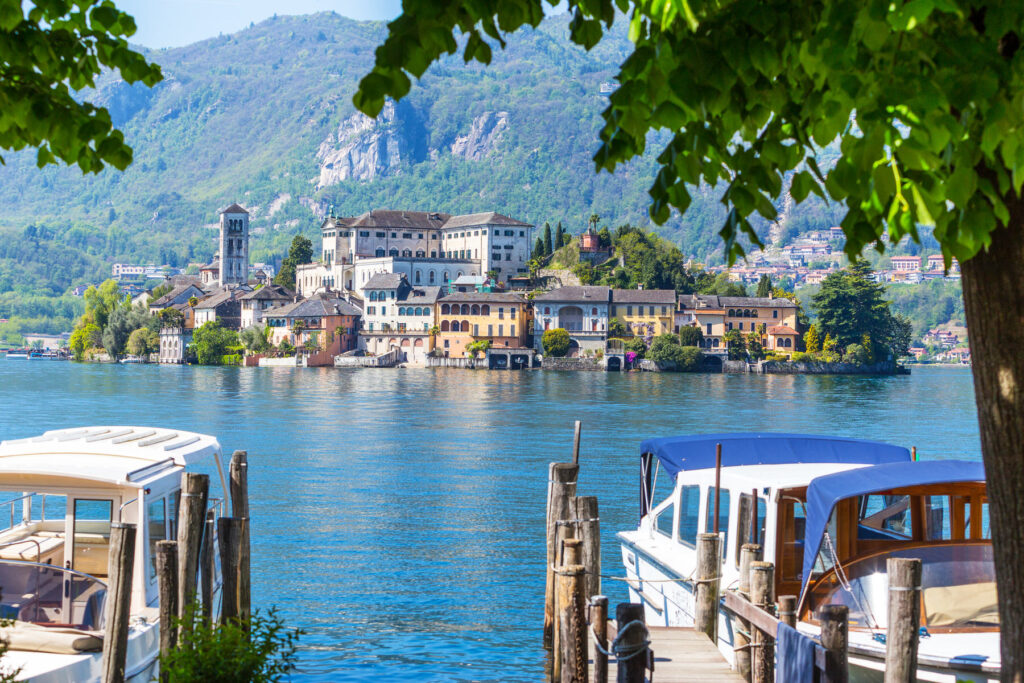
It Often Starts With A List of Places
Planning a trip to Italy often starts with a typical list of must-see cities and a schedule to try to see all of Italy in a week.
Typical itineraries have you trying to see a place in just a day, sometimes even half a day. I have talked to people who have tried to fit in: Rome for two days, Florence for one day, Venice for one day, then fly down to the Amalfi Coast for two days.
All have complained it is rushed and they will have to come back. A rushed experience is not going to give you the in-depth cultural experience of the true Italy.
Maybe your phone is full of saved posts, beautiful hotels, restaurants someone told you not to miss, and places you discovered at midnight while scrolling through Instagram. That is usually when planning a trip to Italy starts to feel less like a dream and more like a puzzle.
The question isn’t really, “Where should I go?”
Instead, ask yourself, “What kind of experience do I want to have once I get there?”
Italy is not a country that should be rushed through, simply because you can fit another city into the itinerary. There is always another church, another piazza, another town, another restaurant, another coastline and another place somebody insists you absolutely must see.
For me, planning Italy comes down to three things:
Sense. Savour. Surrender.
That is how the pieces fit together into a memorable trip that actually feels good once you are there.
It is not about doing less for the sake of doing less. It is about making deliberate choices, so you have time to notice where you are, enjoy what brought you there, and stop managing every minute once the trip begins.
A well-planned trip should give you structure without making you feel overwhelmed by a schedule that runs from breakfast to bedtime. The right planning creates that balance from the beginning, long before the first hotel is booked.
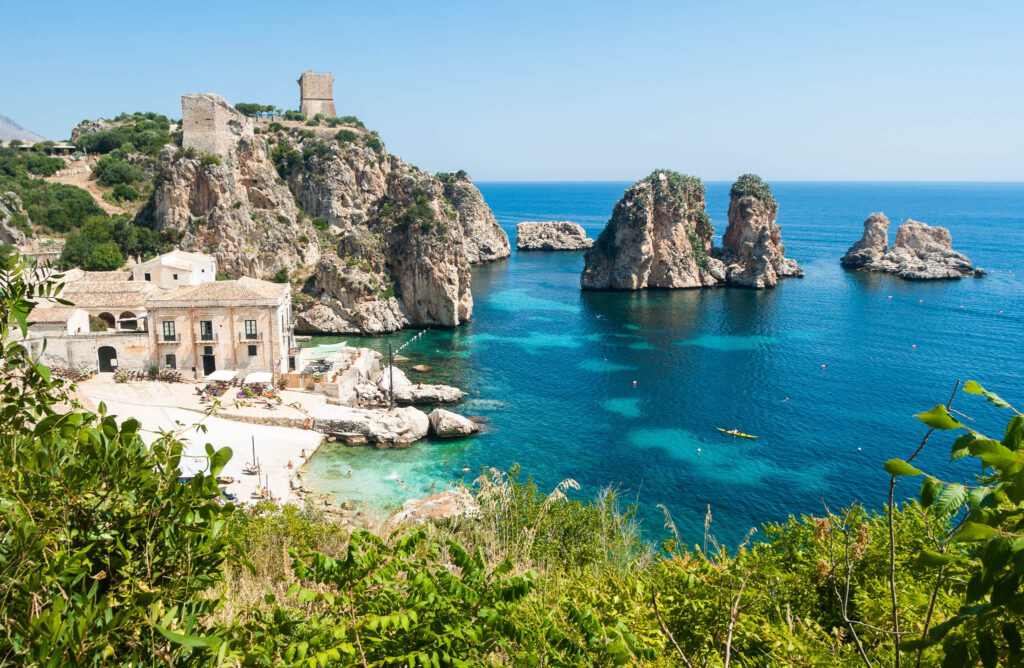
Sense: What Do You Want Italy to Feel Like?
Before choosing destinations, think about the experience you are actually trying to create.
Do you want to spend your days moving, exploring hills and mountain towns, biking through the countryside, walking for hours, and seeing as much as possible?
Or do you imagine something slower? Sitting in a piazza with a glass of prosecco, wandering through museums, stopping to admire the architecture, and simply watching daily life unfold around you?
Do you want to wake up in the middle of a city, walk out the door, and be surrounded by history, restaurants, and people?
Or do you picture yourself somewhere quieter, surrounded by countryside, coastline, vineyards, small towns, and long lunches?
Are you travelling for art? Food? Family history? Beaches? Shopping? Architecture? Quality Time?
Those answers matter because Italy can give you all of those things. But not necessarily in the same place, at the same pace, or in the same trip.
To sense Italy, you need enough time to explore what is around you, not just arrive, photograph the main attraction, and move on. It means noticing the side streets, the local market, the sound of the piazza in the evening, the smell of coffee from the bar downstairs, the way people use the space around them, and the difference between a town waking up in the morning and settling into the night.
The planning should give you enough structure to move confidently, but enough time to look around, wander, and understand a little of the place before leaving it behind.
Michelle’s Note: Almost every client starts out wanting to see it all. I never argue with that in the first conversation — I just put it on paper. Real travel times between the places they’re imagining, not distances on a map. Once they see what a day trip actually costs them in hours, or what a trek looks like in August heat, they usually start crossing things off themselves. The question shifts from “how do we fit it all in” to “what do we actually want to spend our time doing.”
Savour: Give the Destination More Than One Version of Itself
A rushed itinerary often leaves just enough time for the places everyone already knows. You arrive, head toward the major attraction, follow the crowds, eat somewhere nearby because it is convenient or because it has been recommended all over Instagram, and then move on to the next stop. That is often where the tourist traps creep in.
Social media has added another layer to the traditional tourist trap. A restaurant, gelateria, or attraction can suddenly become a “must-see” after going viral online. Long lines and thousands of posts can make something look unmissable, but popularity does not necessarily mean it is the best experience.
Michelle’s Tip: A restaurant or gelateria that has gone viral can be fun to check off a list, but a long line doesn’t always mean it’s the best version of what you’re eating. I look for where the locals go — the place that’s been making the same recipe for three generations. Those are the out-of-the-way gems/experiences I look for.
The famous sights can absolutely be worth seeing. The problem is when time is limited, convenience starts making the decisions for you. The restaurant closest to the landmark. The shop on the busiest street. The excursion everyone else is booking because it is the easiest one to find.
When you have more time in a destination, you are not forced to follow the same list everyone else follows. You can ask a local, walk another street, discover the smaller place without the line, or simply choose what appeals to you once you are there.
Savouring a destination means giving yourself enough time to go beyond that first layer. See the landmarks, absolutely. But also leave room for the vineyard outside the city, the smaller exhibitions, the neighbourhood market, the quieter piazza, the family-run restaurant a little farther away, or the small nearby town that gives you a completely different view of the region.
That is where a place starts to feel like somewhere you experienced rather than somewhere you simply passed through.
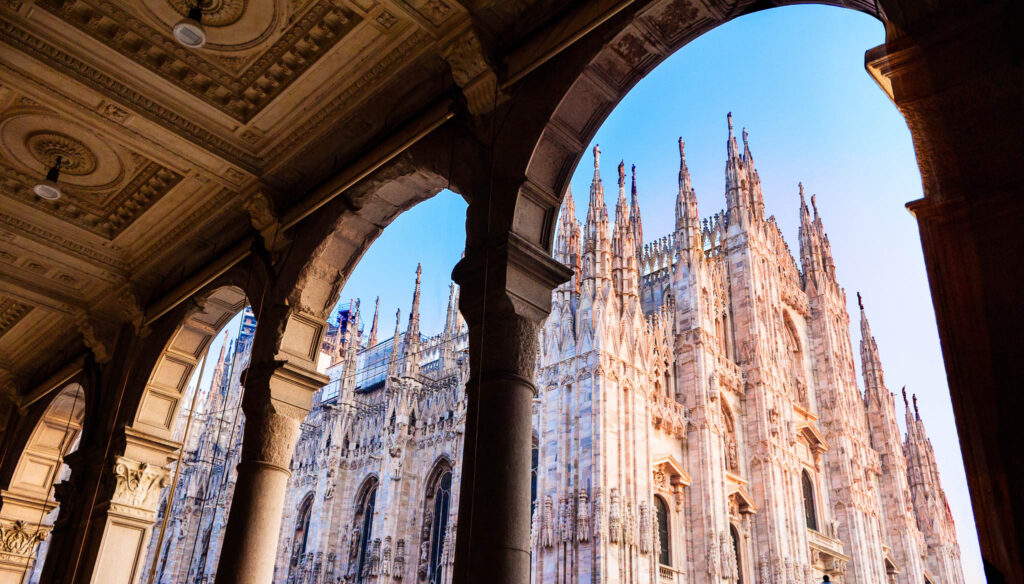
Surrender: Stop Trying to Conquer Italy in One Trip
At some point, you have to let go of the idea that one trip needs to include all of Italy.
Tour guides will often tell you the same thing. Visiting a major city for a single day barely scratches the surface. You may see the most famous sites, but you do not have much time to understand the history, notice the culture, or experience the rhythm of a place shaped by centuries of people, traditions, architecture, food, and everyday life.
Surrendering to Italy means accepting that you are not going to see all of it at once. It means choosing the places that matter most for this trip and giving yourself enough time to really take them in.
It also means leaving some curiosity behind for the next journey. There is something exciting about knowing another region, another town, or another part of the country is still waiting for you. You are not losing something by leaving it off the itinerary. You are creating a reason to return and discover it with the same depth rather than squeezing it into an already crowded schedule.
Michelle’s Note: I’ve been to Sicily and Puglia more times than I can count, and I still find beautiful little towns I hadn’t discovered before. These regions also keep evolving — as they lean into their own history and strengths, more festivals, activities and specialized concerts keep appearing, bringing more of that culture and history to light. So when someone feels they have to see everything on a first trip, I tell them: you can’t, it’s impossible. What I actually need to know is how many days you have, who’s travelling with you, your top three or four priorities, and your budget. From there, we can start planning.
Instead of asking, “How many places can I fit in?” the better question becomes, “How much can I really take in while I am there?”
That may mean spending several days in one city instead of one. It may mean exploring the area around where you are staying rather than constantly moving on to the next destination.
And that is not missing out. It is giving yourself permission to travel differently.
The point of a good itinerary is not to prove how much of Italy you managed to squeeze into it. It is to create enough time and space for the places you choose to leave an impression on you.
Surrender to that idea. Stop trying to complete Italy, and let yourself fully discover the part of it you are actually in.
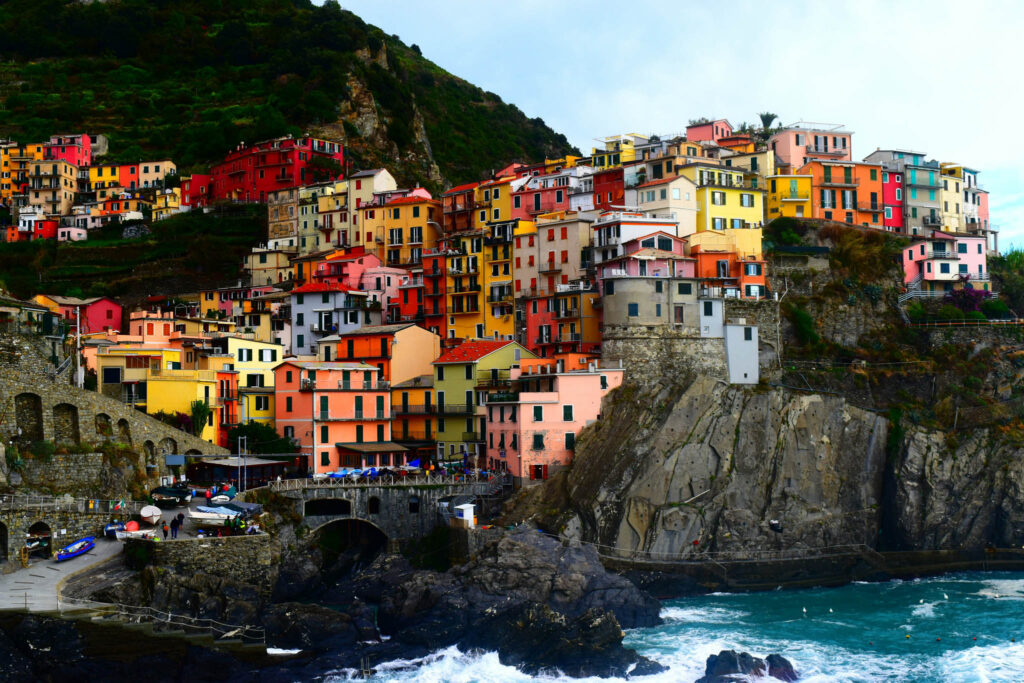
Italy to Roam Plans Italy Differently
An itinerary still matters. The difference is what goes into creating it.
At Italy to Roam, the goal is not simply to fit destinations into the number of days you have available. It starts with understanding how you want to travel, what you want to experience, and what matters enough to you to make room for it.
Italy is easier to enjoy when you stop thinking of it as one enormous list and start looking at it in regions, areas, and experiences that can actually work together. That might mean concentrating on one part of the country, combining nearby destinations that make sense together, or building around one region and allowing enough time to explore what surrounds it.
Michelle’Michelle’s Planning Tip: I always recommend using as few bases as possible for an area, a region. For example, for exploring the Amalfi Coast, I love using Sorrento — a single base within easy reach of Capri, Positano, Amalfi, Ravello, the lively city of Naples, and the extraordinary ruins of Pompeii. Sorrento simply has more accommodation to choose from, and the terrain is flatter, so you’re not hauling luggage up and down hundreds of steps in exhausting heat the way you can be in towns built into the cliffside. It’s also close to the Naples airport and train station for easy arrival and departure. One base, no repacking every night — just head out and explore.
Even a preplanned itinerary does not have to mean following somebody else’s trip exactly as written. A good starting itinerary can give structure, but the pace, interests, accommodations, activities, and amount of free time still need to make sense for the people taking it.
That is where personalization of itineraries matters. Where one traveller may want more time in a city because art and history are the focus; another may want to leave the city sooner and spend more time in the countryside. Someone else may want food, vineyards, coastline, family history, or simply fewer scheduled activities and more room to wander.
The itinerary should support the experience, not dictate it.
Sense the place around you.
Savour more than the surface.
Surrender the need to see everything at once.
That is what turns an itinerary from a schedule into a journey that actually feels like yours.
Ready to Experience Italy at Your Pace?
Your trip to Italy should be planned around what you want to see, how you want to travel, and the experiences you want to remember long after you return home.
Whether you already know where you want to go or are still deciding which part of Italy is right for you, start with a conversation. Tell us what you are imagining, and we can begin shaping an Italian journey around you.


